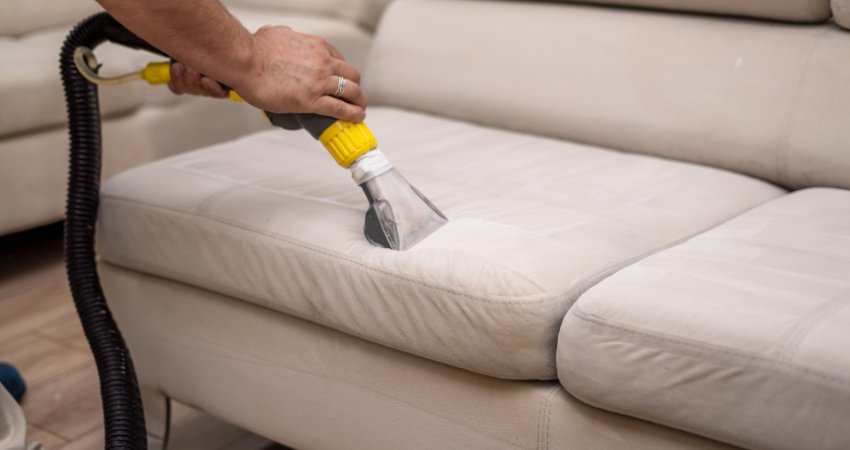
A couch takes more abuse than most homeowners realize. It collects body oils, dust, food particles, pet dander, airborne soil, and residue from household use long before it ever looks visibly dirty. That is why couch cleaning is not just about spot removal. It is about choosing the right method for the fabric, the cushion construction, and the type of stain or wear and tear you're dealing with.
For some couches, limited DIY care makes sense. For others, trying to clean them yourself is exactly how people end up with water rings, pile distortion, browning, shrinkage, or permanent texture damage. That is where professional upholstery cleaning is usually worth it.
For homeowners trying to separate safe maintenance from risky guesswork, the real question is not “Can I clean this couch myself?” It is “How much risk is involved if I clean it the wrong way?”
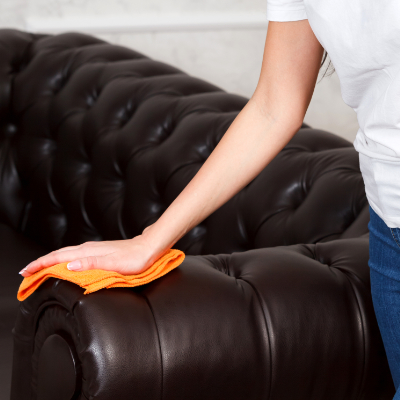
What About Leather Couches?
This article focuses on upholstered fabric couches, but leather couches are usually more manageable for homeowners to maintain with routine vacuuming, light wiping, and leather-safe care products. That said, leather should still be treated carefully, since excessive moisture, harsh cleaners, and heavy scrubbing can damage the finish or dry the material out.
- Best for DIY: protected or pigmented leather
- Use minimal moisture and only leather-safe cleaners
- Consider professional help for aniline leather, heavy body-oil buildup, ink stains, or cracking/dryness
The Couches That Are Usually Safe for Limited DIY Cleaning
Some upholstered couches are relatively forgiving. These are usually synthetic, tightly woven, colorfast fabrics with straightforward cleaning codes and no unusual texture.
In general, the easiest couches to handle at home are:
- Microfiber and many polyester blends
- Performance fabrics designed for stain resistance
- Couches with removable, machine-washable slipcovers
- Lightly soiled furniture with a fresh spill rather than deep-set contaminatio
If the manufacturer tag indicates a W or sometimes WS cleaning code, and the spill is recent, homeowners can often manage basic care safely. That usually means vacuuming with an upholstery attachment, dry soil removal, blotting a fresh spill, and using a mild, fabric-safe cleaner in a very controlled way.
The key phrase there is controlled way. Safe DIY work is usually limited to surface maintenance, not deep cleaning. That means:
- Vacuuming crevices, seams, and under cushions
- Blotting spills instead of scrubbing
- Using very small amounts of approved cleaner
- Testing in an inconspicuous area first
- Avoiding over-wetting at all costs
A washable slipcover couch is also a different category from a fixed-upholstery couch. If the cover is specifically designed to be removed and laundered according to the manufacturer’s instructions, that is one of the few truly homeowner-friendly upholstery scenarios.
The Couches That Should Usually Be Professionally Cleaned
Once you move beyond basic synthetics and washable covers, the margin for error gets much smaller.

Couches that are better left to a professional include:
- Cotton, linen, rayon, viscose, or blended natural fibers
- Velvet, chenille, jacquard, and other textured fabrics
- Wool or silk upholstery
- Solvent-code fabrics
- Antique, custom, or high-end designer couches
- Down-filled or feather-wrapped cushions
- Heavily soiled sectionals with body oil buildup
- Furniture affected by pet urine, odor, or recurring stains
- Any couch with an unknown fabric or missing cleaning code
These materials are more likely to react badly to incorrect moisture levels, aggressive agitation, off-the-shelf spotting products, or alkaline cleaners. Even when a stain appears to come out, the real damage may show up after drying. That is when homeowners discover browning, stiff hand-feel, color loss, wicking, or rings that are harder to fix than the original spot.
Textured fabrics are especially risky. Velvet and chenille can be permanently altered by excessive brushing, scrubbing, or improper drying. Natural fibers can shrink, distort, or bleed. Cushions with feather or down wraps can be slow to dry and can develop odor or internal contamination if soaked.
That is one reason Steve’s own upholstery cleaning myths article is worth reading. It addresses a common consumer mistake: assuming all upholstery responds well to the same heat, chemistry, or process. In real upholstery cleaning, material identification matters.
Where and Why DIY Couch Cleaning Can Goes Wrong
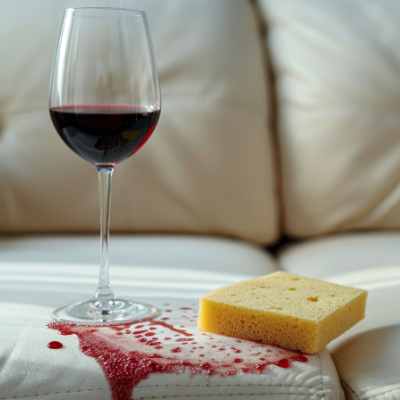
Most upholstery damage from DIY efforts comes from one of five mistakes.
1. Too Much Water
This is the biggest one. Homeowners often think a couch should be cleaned the same way carpet is cleaned. It should not. Upholstery fabrics and cushion interiors are less forgiving, and overwetting can lead to prolonged dry times, odor, browning, and stain wicking.
2. Scrubbing Instead of Blotting
Aggressive scrubbing can fuzz fibers, distort the nap, spread the stain, or abrade the fabric surface. On textured or delicate materials, this damage can be permanent.
3. Using the Wrong Cleaner
Retail spotters are often too aggressive, too fragranced, too soapy, or simply wrong for the fiber type. A product that works on one polyester recliner may ruin a cotton-linen sofa.
4. Ignoring Cushion Construction
A couch is not just fabric. It is fabric over padding, foam, batting, decking, zippers, seams, and sometimes feather wraps. The wrong cleaning method can affect what is underneath the fabric even when the surface looks acceptable at first.
5. Treating Soil Like a Simple Spot
A couch used every day often has more than isolated stains. It has accumulated oils from skin and hair, airborne particulate, food residue, and fine dry soil embedded at contact points like armrests, headrests, and seat fronts. That kind of buildup usually needs a deeper, balanced process than DIY tools can provide.
What Professional Upholstery Cleaning Actually Does Better
Professional couch cleaning is not just “stronger cleaning.” It is more precise cleaning.
A trained upholstery cleaner should evaluate:
- Fiber type
- Cleaning code
- Dye stability
- Fabric texture and weave
- Degree and type of soiling
- Cushion construction
- Whether the contamination is surface-level or has migrated deeper
From there, the method can be matched to the couch instead of forcing the couch to fit a generic method.
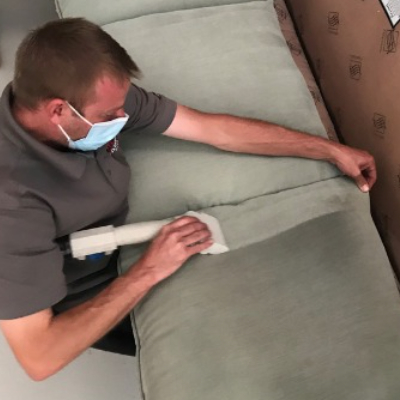
That may include controlled low-moisture cleaning, specialized upholstery extraction, solvent-compatible spot treatment, pH-balanced chemistry, hand cleaning for delicate areas, and drying practices designed to reduce risk.
This is especially important for sectional couches and family-room sofas. Those pieces often have uneven wear patterns, body-oil darkening, and embedded particulate soils that do not respond well to simple spraying and wiping. A professional process can clean more evenly and help restore the appearance of the fabric without the common DIY side effects.
A Practical Rule: DIY for Maintenance, Professional for Correction
DIY is best for maintenance. Professional service is best for restoration, stain correction, and risk management
DIY maintenance usually includes:
- Weekly or biweekly vacuuming
- Immediate blotting of fresh spills
- Rotating and flipping cushions when applicable
- Following the manufacturer’s care code
- Avoiding oversaturation and harsh consumer products
Professional cleaning is the better choice when:
- The fabric is delicate, textured, natural, or unknown
- The couch has overall dinginess, not just one spot
- There are pet issues or odor concerns
- The cushions feel damp after prior cleaning attempts
- Stains keep coming back
- The furniture is valuable enough that replacement would be painful
When Calling a Professional Early Saves Money
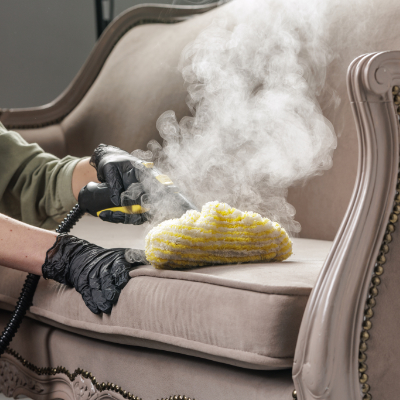
Many homeowners wait too long. They experiment with consumer cleaners, rental tools, steam devices, vinegar mixtures, or internet hacks until the problem is worse. By the time a professional arrives, the original spill is no longer the only issue. Now there may also be residue, rings, pile damage, or uneven cleaning.
That is why early intervention is often the cheaper move. If a couch is made of delicate fabric, has sentimental or monetary value, or already shows signs of wear, it makes more sense to bring in a professional before trial-and-error causes preventable damage.
Need an Expert Eye on Your Couch?
Get a fabric-specific assessment before DIY attempts cause permanent damage.Request Upholstery Evaluation
For homeowners in Colorado who want expert evaluation rather than guesswork, Steve’s Carpet Care is the kind of company that understands the difference between a couch that only needs careful maintenance and one that requires a professional upholstery-cleaning process tailored to the fabric.